Role: UX/UI Designer · Type: Self-initiated concept
ArtEcho — Museum Audio Guide App
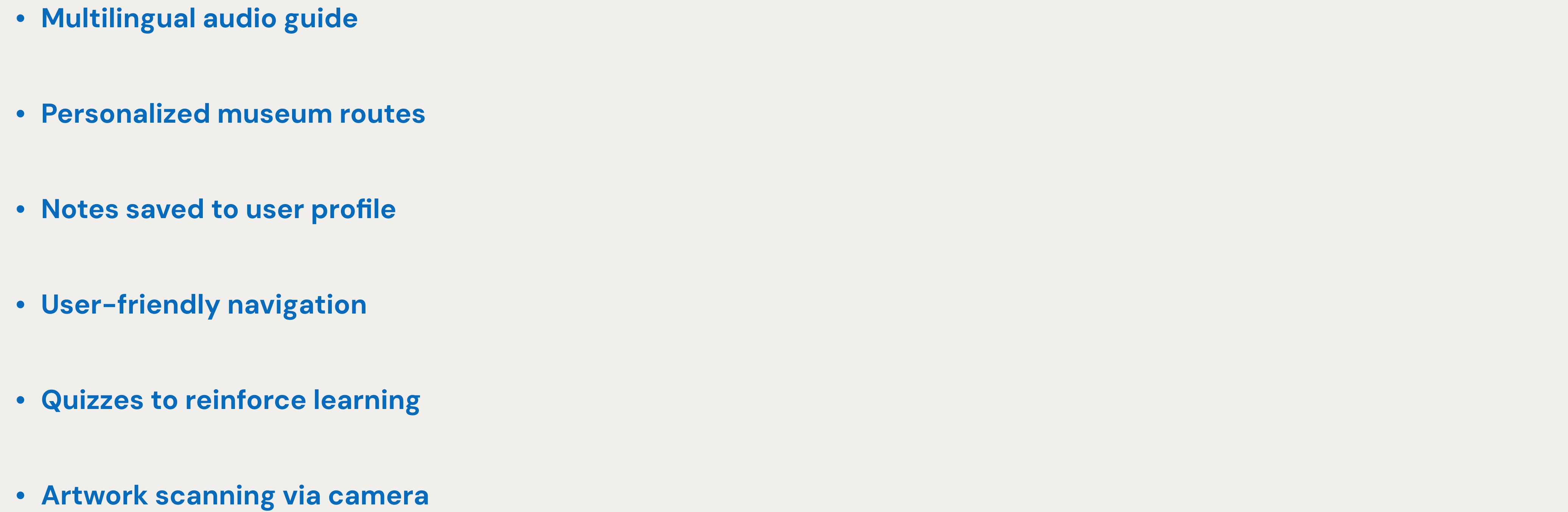
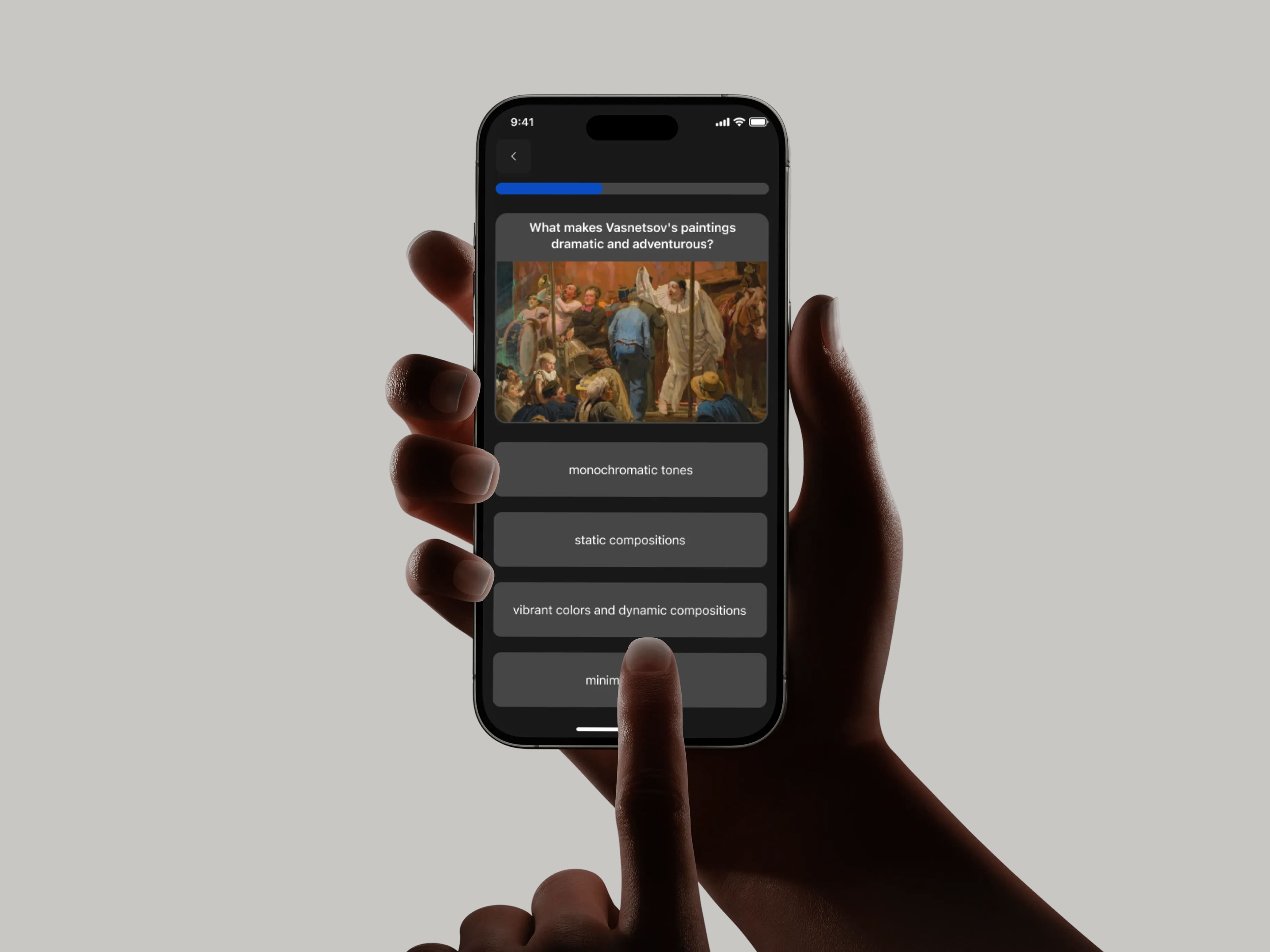

The goal was to design a modern, multilingual, and interactive audio guide that enhances engagement through a clear, user-friendly interface, offering both a Simplified tour for quick highlights and a Full tour for deeper context, history, and analysis.
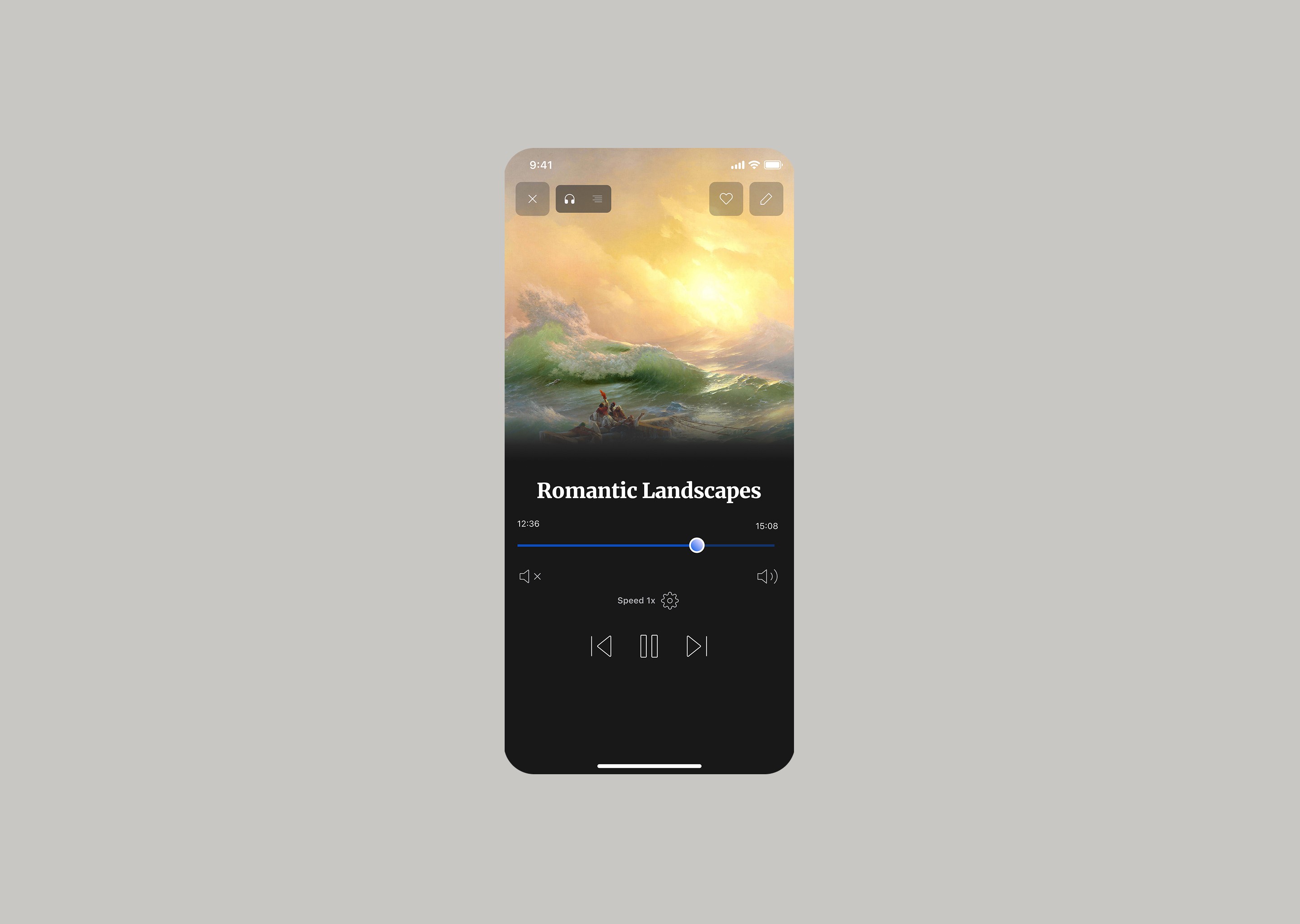
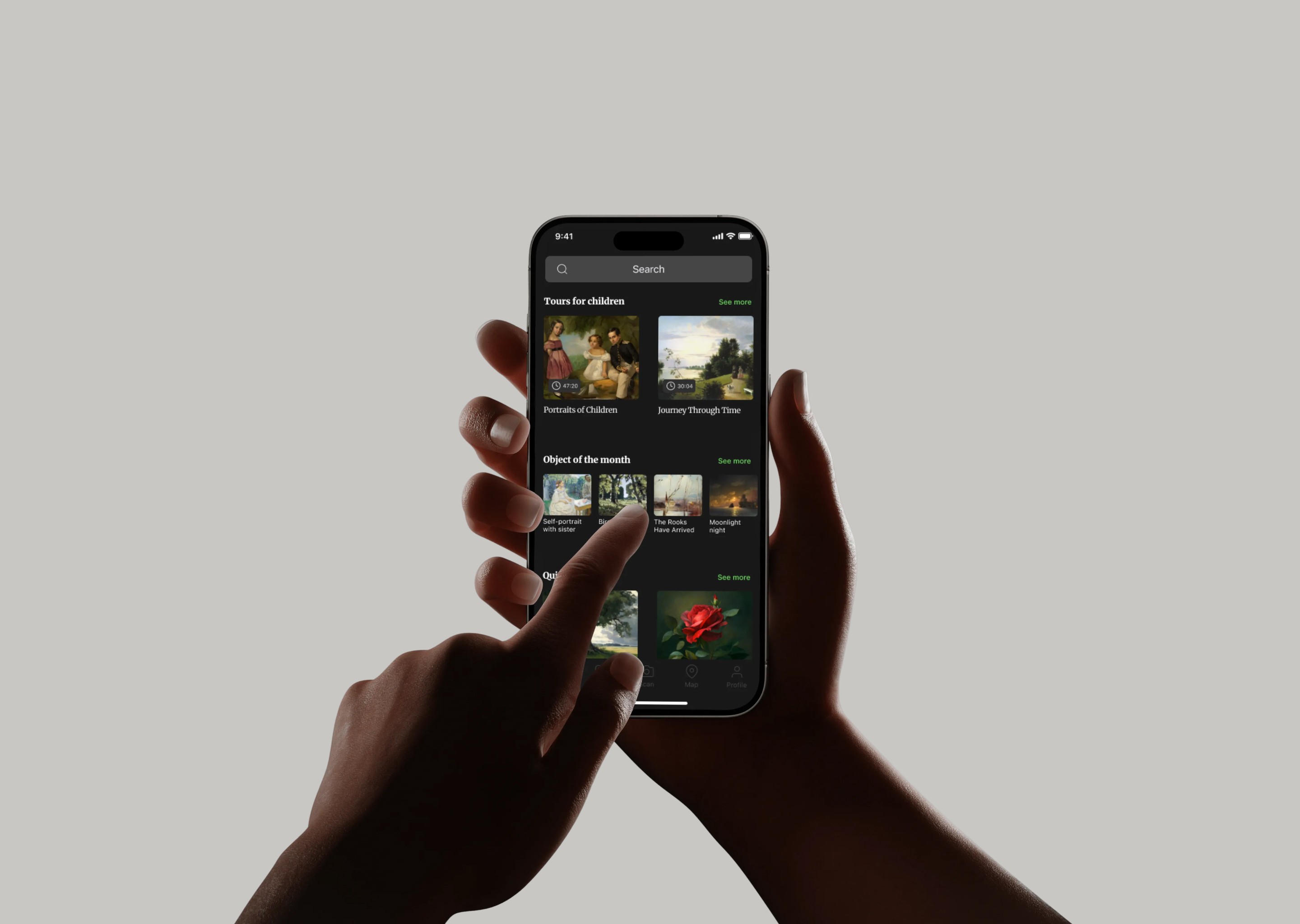
A modern, multilingual, interactive App to explore art through personalized routes.
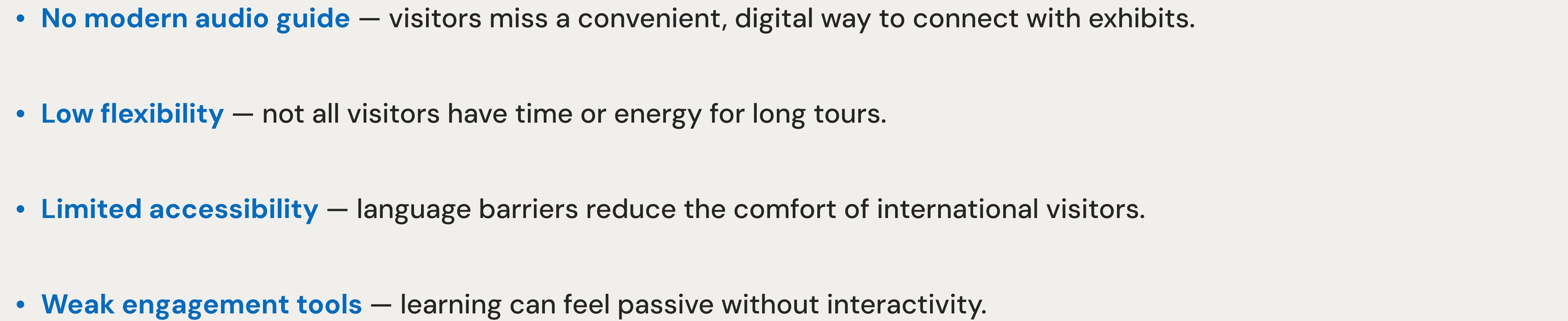
The museum lacked a high-quality audio guide that could deliver a modern, interactive experience. This limited engagement with exhibits and made it harder to attract younger and international visitors. ArtEcho explores a mobile-first solution that makes museum visits more accessible, immersive, and personal.
Problem
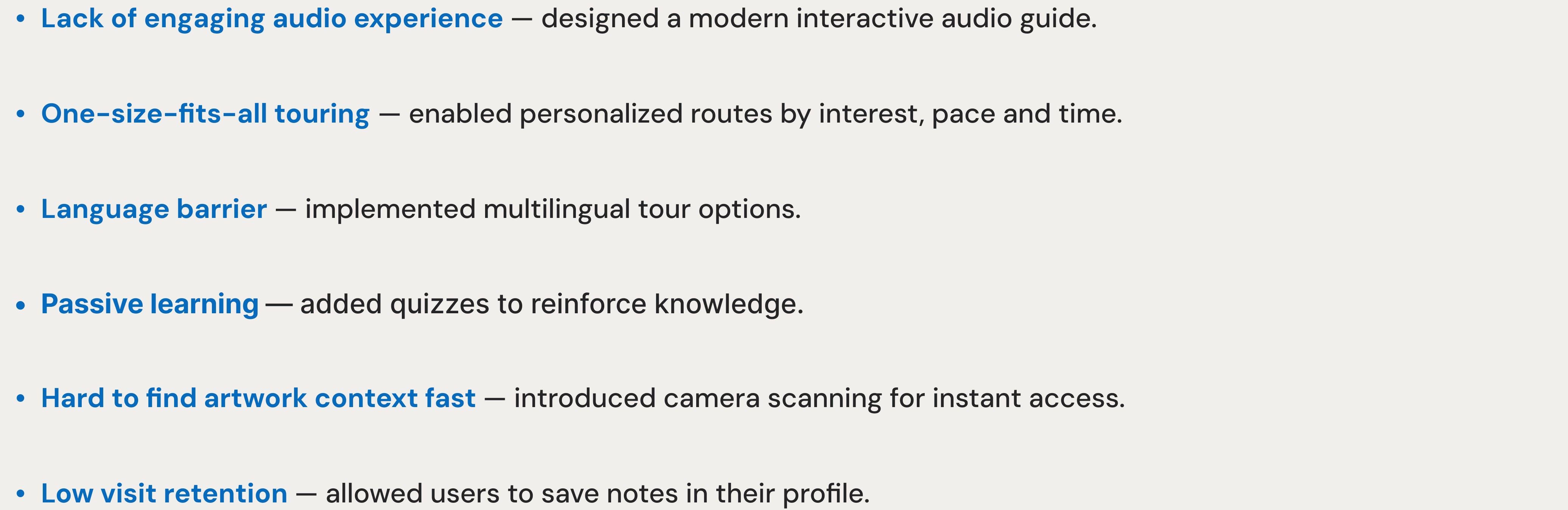
Traditional or missing audio-guide experiences reduce the depth of engagement and don’t match modern visitor expectations for flexibility, accessibility, and interactivity.
Project goal
The goal was to design a modern, multilingual, and interactive audio guide that enhances engagement and supports different visitor preferences through a clear, user-friendly interface, offering both a simplified tour with brief, easily digestible audio and a full tour with deeper context, history, and analysis.
Research
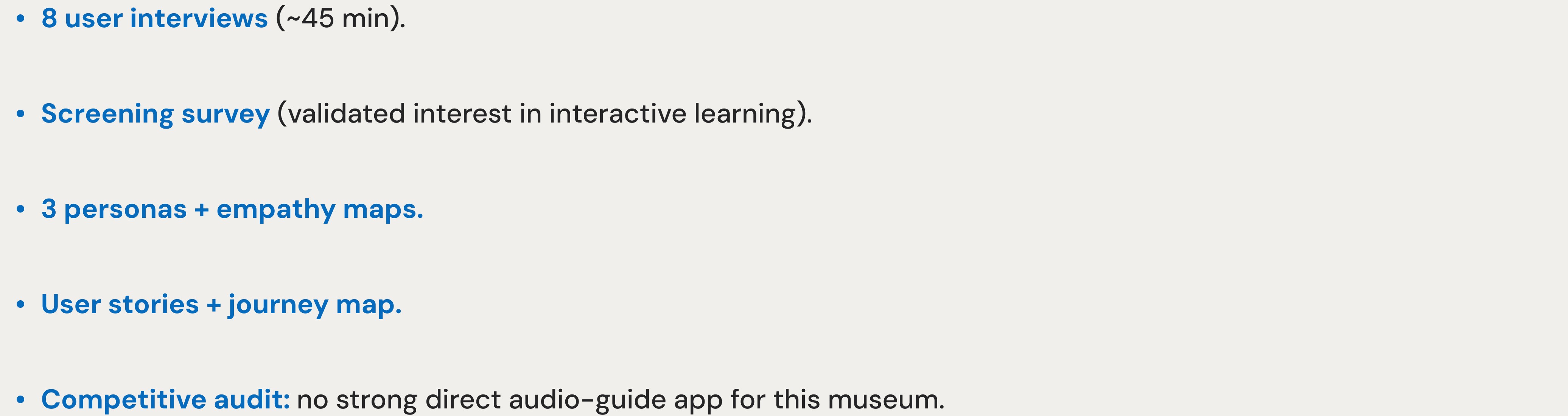
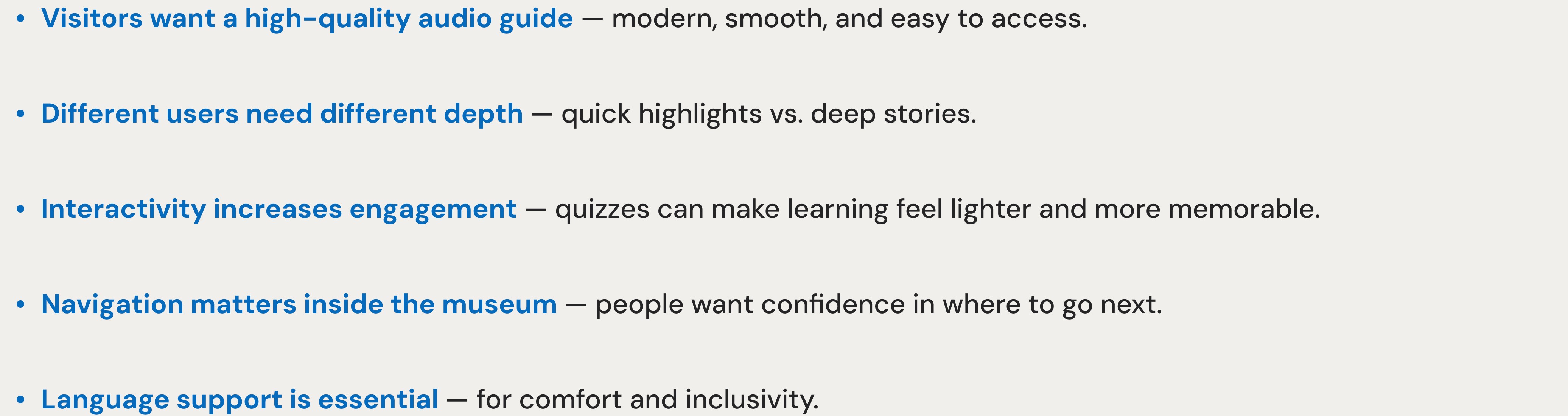
Research combined surveys, interviews, personas, and competitive analysis to validate the need for a modern museum audio experience.
Key Insights
UX Hypotheses
I used a set of hypotheses to connect research findings with concrete design decisions for the audio guide. If / Then • If users feel they have limited time to use the audio guide, then offering a concise tour format and a convenient interface will make the product more attractive for them. • If users have had negative experiences with audio guides in the past, then improving the interface and core functionality can help create a more positive, trustworthy experience. • If users can easily get information from other sources, then adding unique and engaging content elements in the audio guide will attract users who would otherwise skip it. I believe • I believe that providing deeper knowledge and understanding of art through the audio guide can satisfy the needs of users who are motivated by learning and education. • I believe that easy access to information about history, art and culture can stimulate user interest and support a more meaningful museum visit. These hypotheses guided the design process and acted as a bridge between research insights and the final product goals, keeping the focus on user needs and expectations.
Approach
My approach was based on design thinking and iterative sprints across five stages: empathize, define, ideate, prototype, and test.
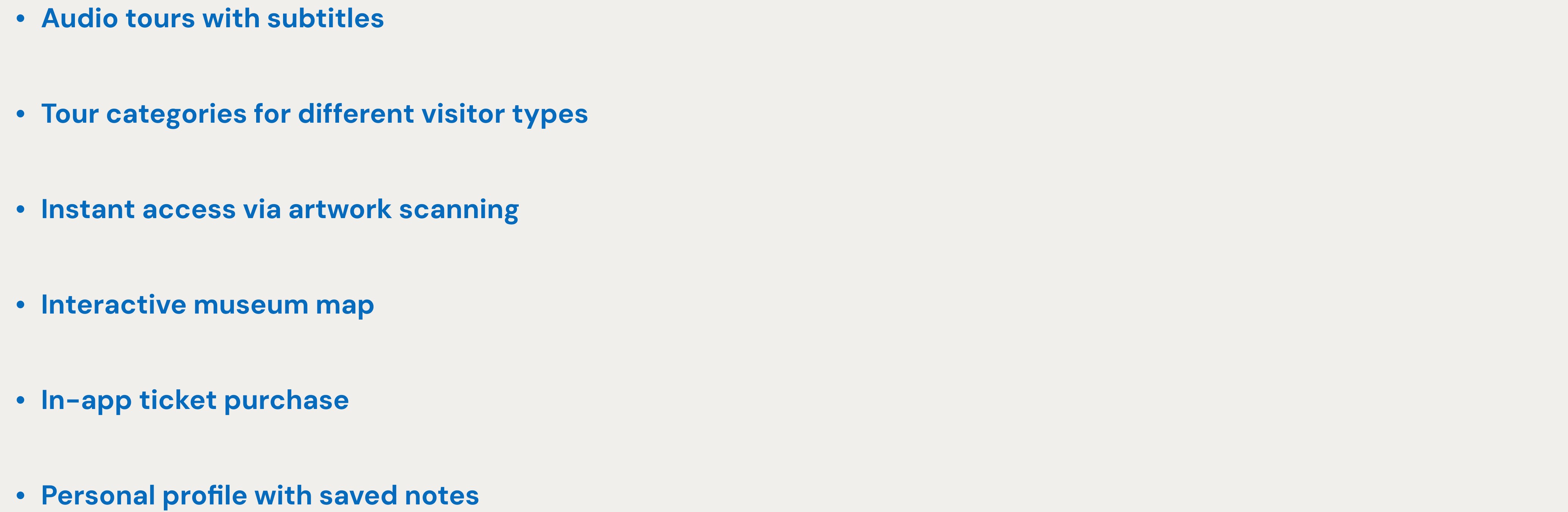
Main Features
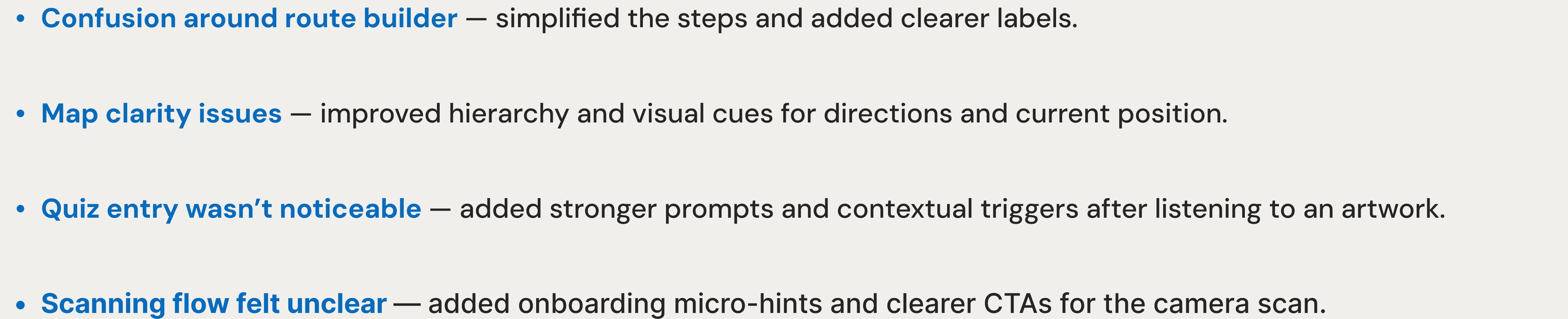
User Pain Points and Design Solutions
Key Flows
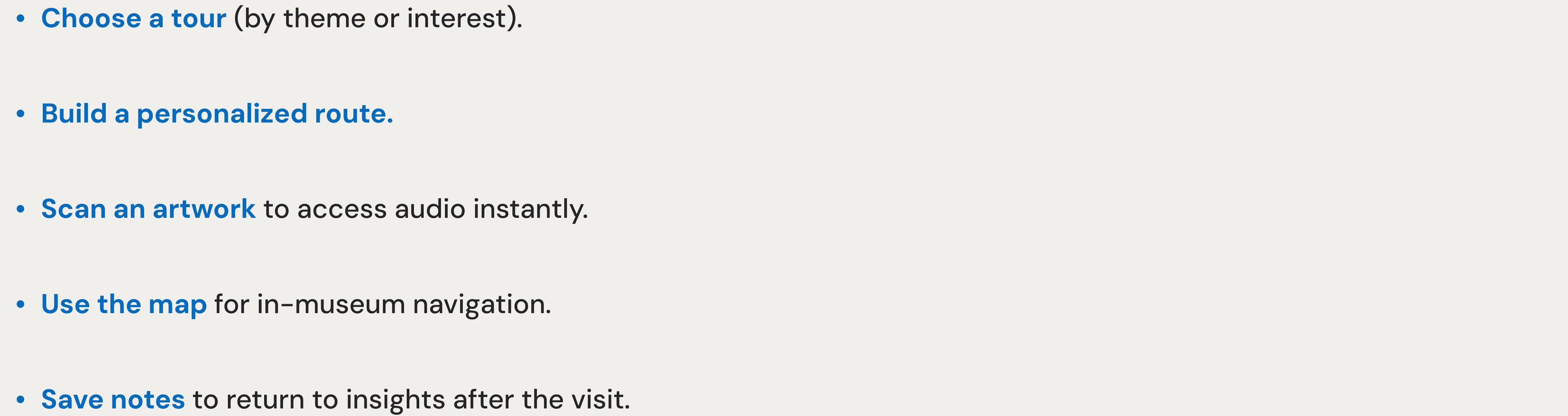
I designed the core flows to support planning, exploring, learning and remembering the visit:
Prototyping

Usability Testing and Iterations
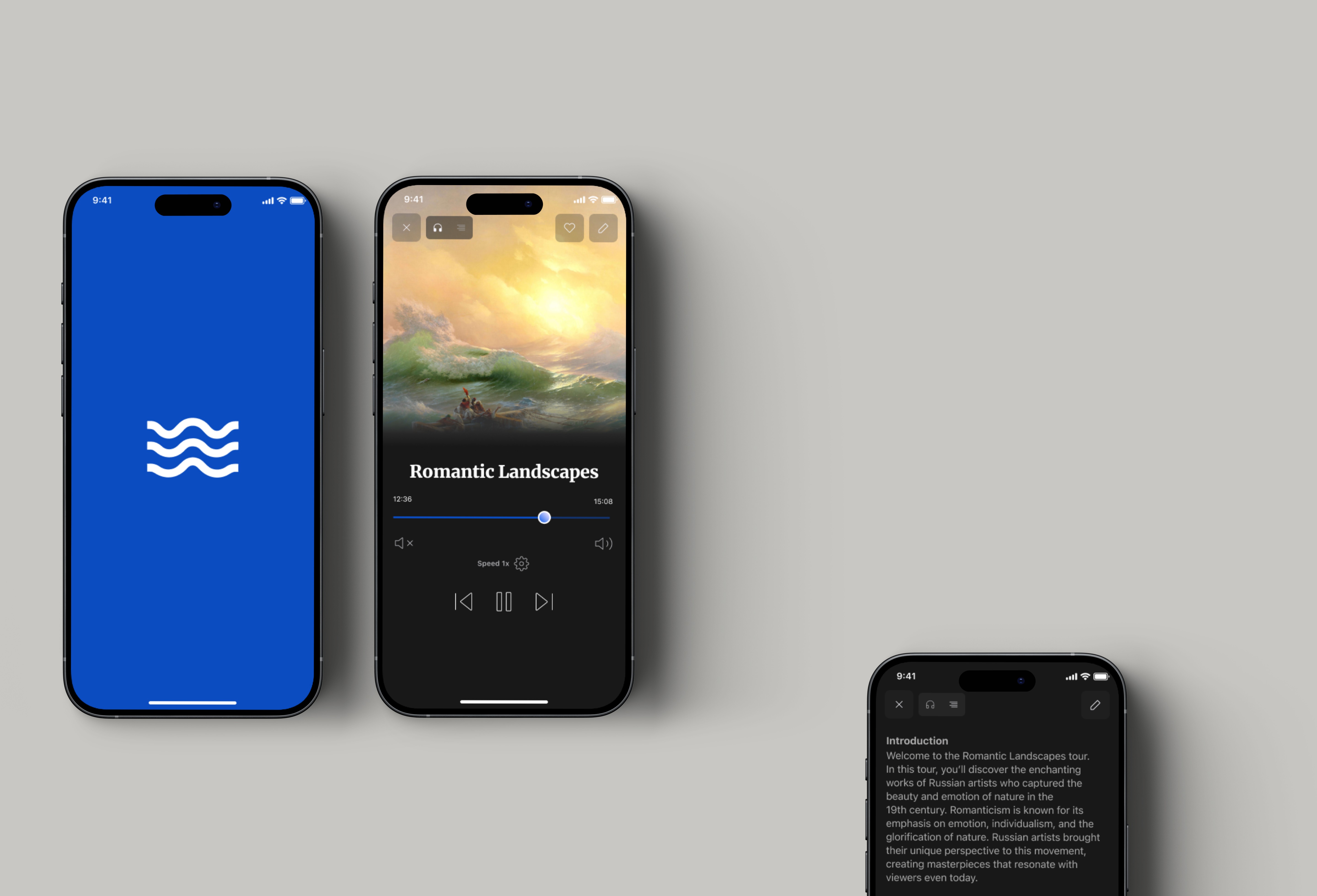

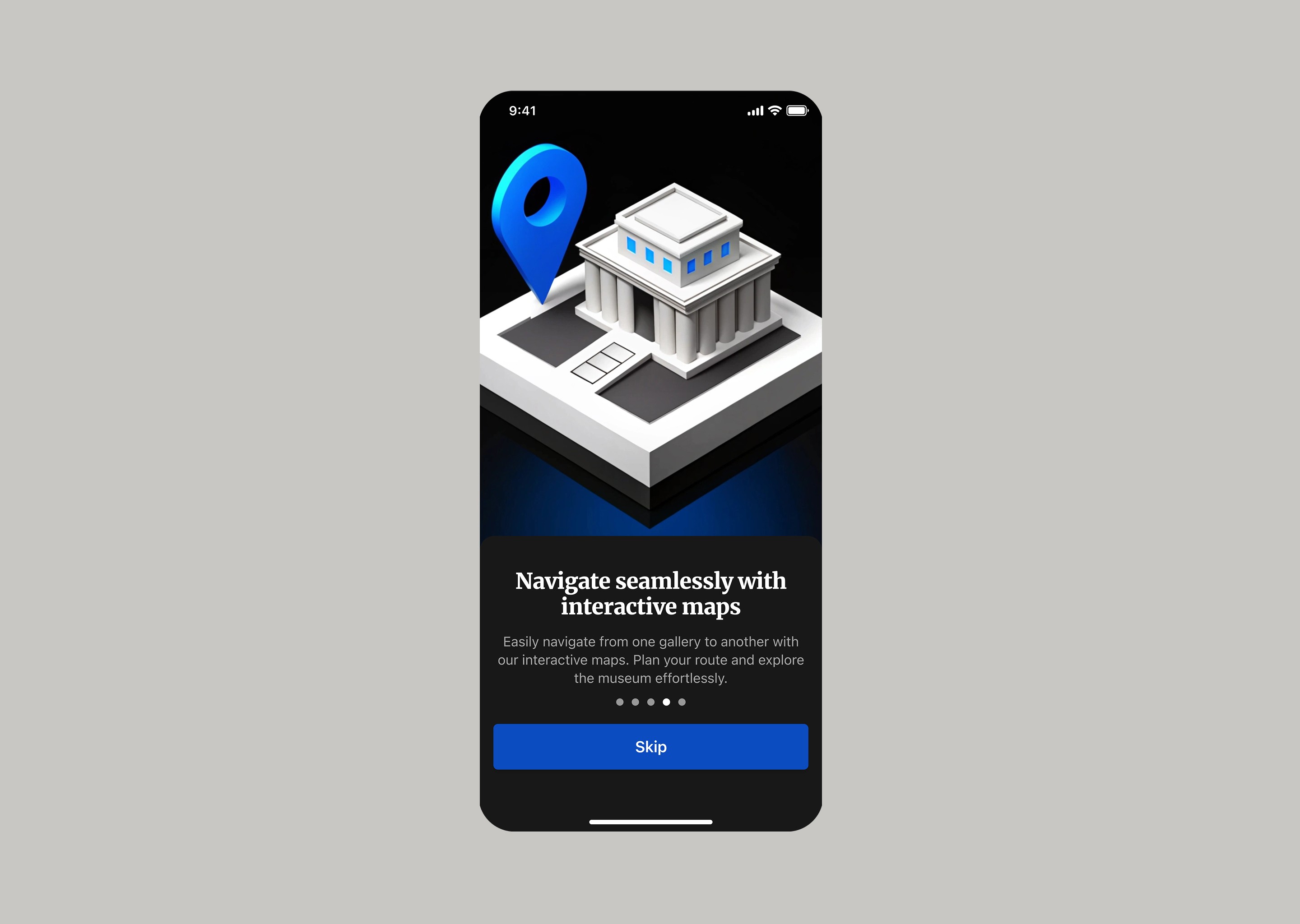
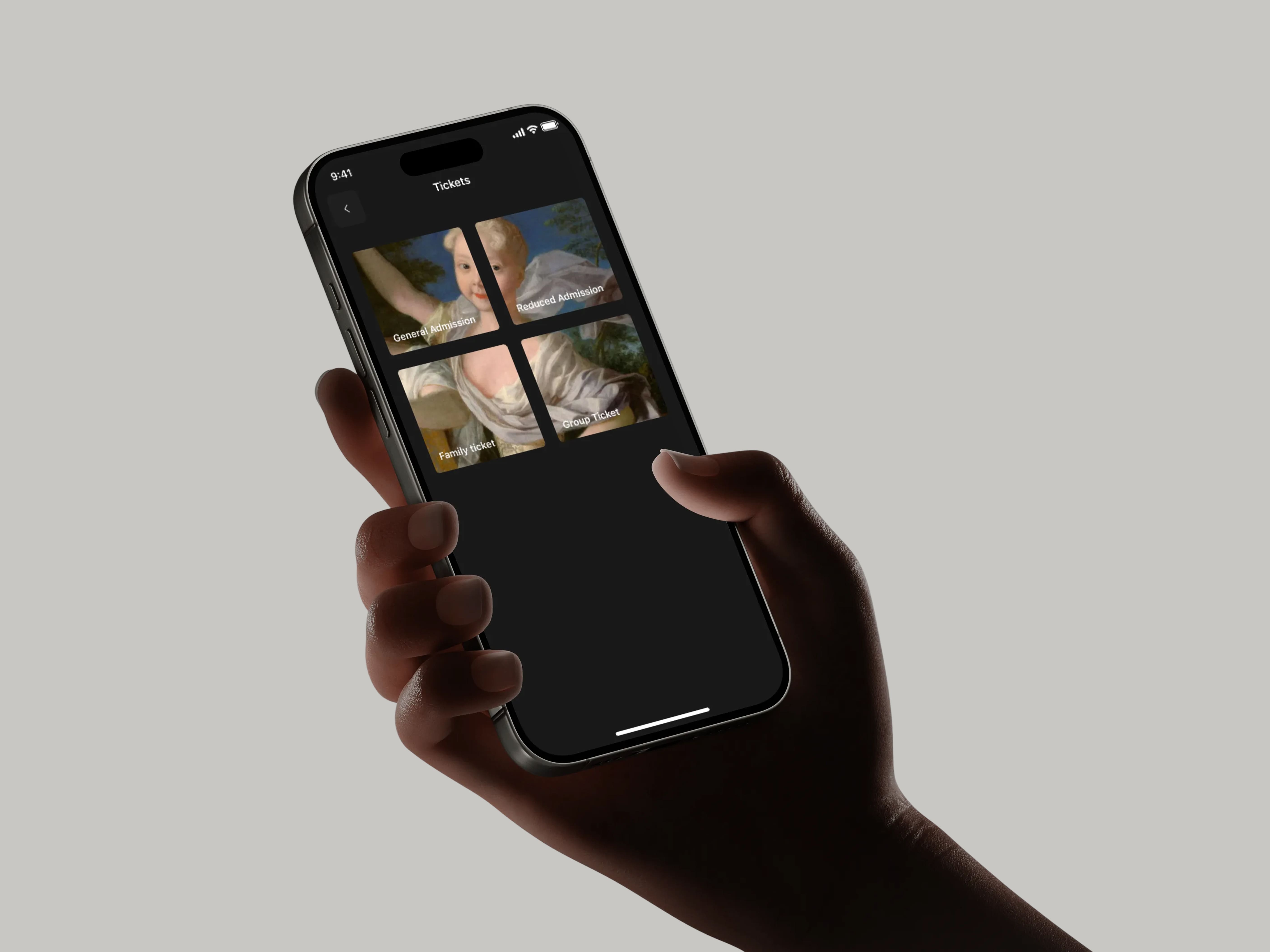
Final Screens
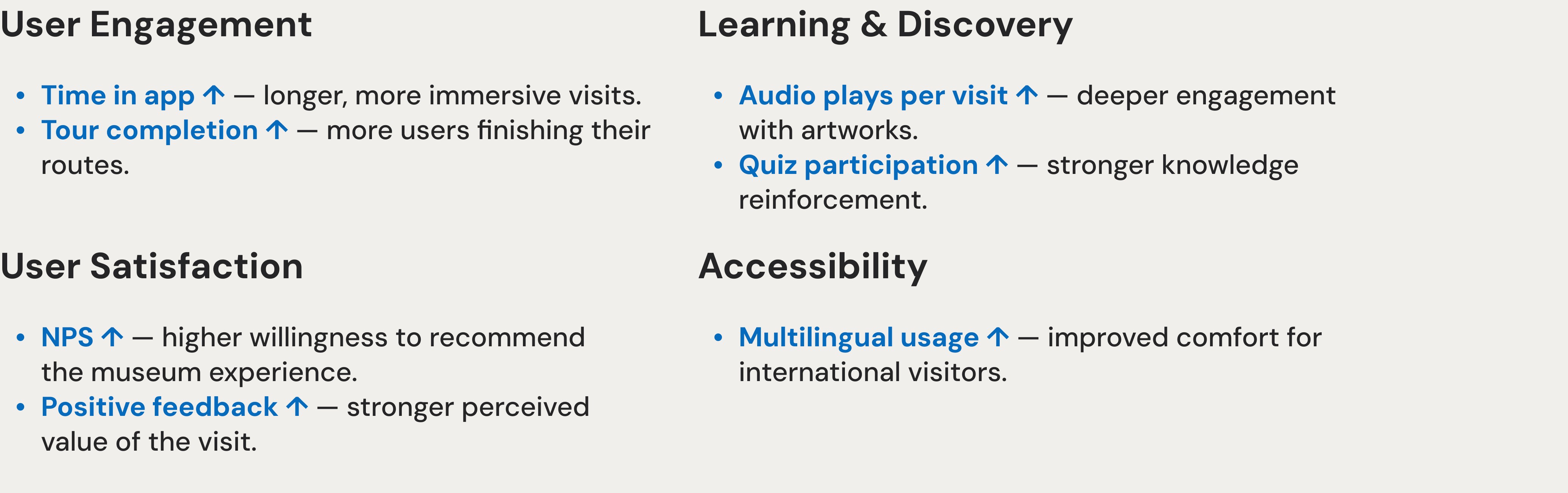
User Satisfaction Metrics
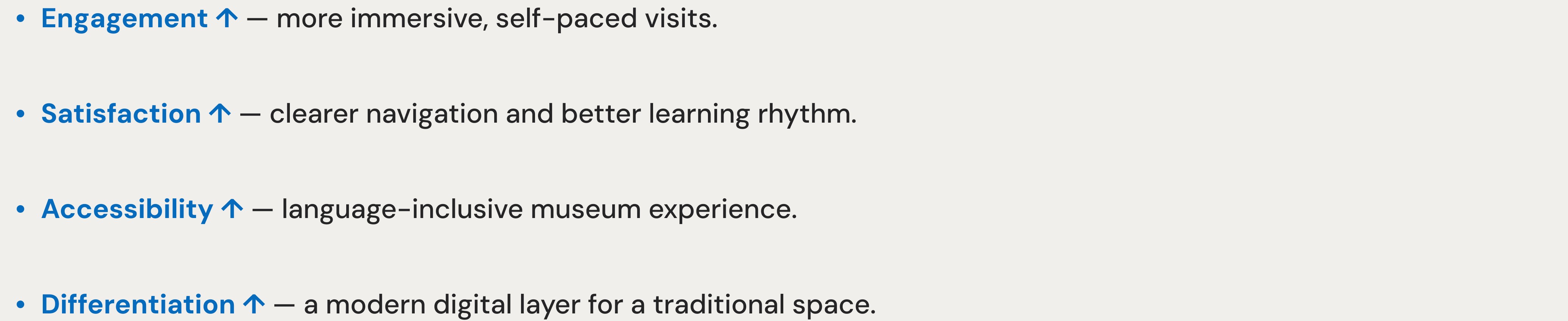
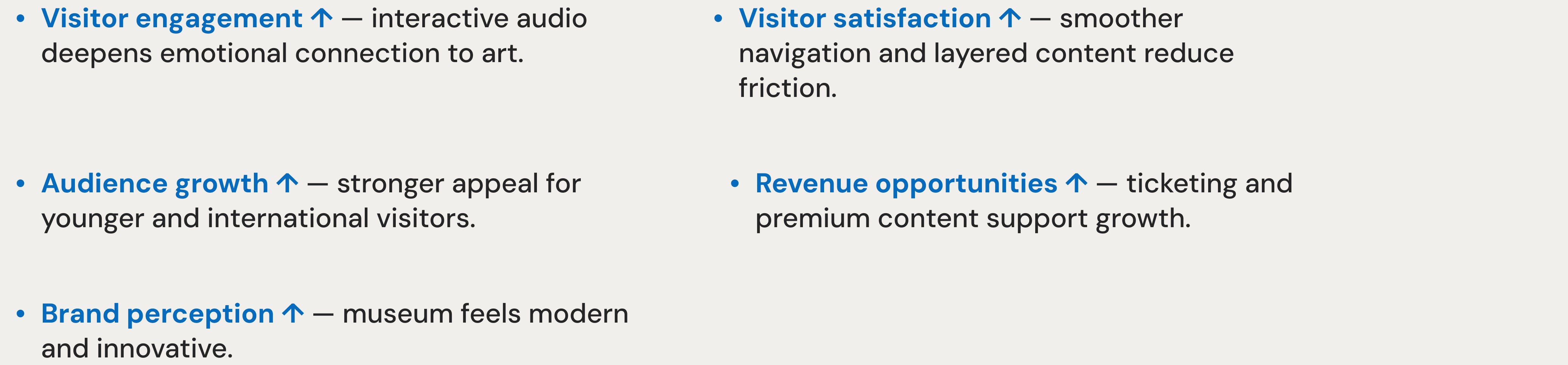
Business Outcomes
Conclusion and Expected Outcomes